FAQS
Your Kenya Safari Questions, Answered
Everything You Need to Know About Kenya in 2026
Planning a safari is one of life’s great adventures and it comes with many questions. Our team at Hilu Tours & Safaris has compiled the 30 questions we hear most often from families, couples, and solo travellers considering Kenya for the first time or returning for more. Read on, and let us help you plan the journey of a lifetime.
PLANNING & TIMING
When is the best time to visit Kenya for a safari in 2026?
The dry season from July to October is the undisputed peak for wildlife viewing grass is short, animals cluster around water sources, and the Great Migration river crossings happen in the Maasai Mara. July to October brings fantastic wildlife viewing, fewer mosquitos, and cooler, temperate weather. March is shaping up as a standout "secret season" for 2026 the savannah turns lush and green, prices drop considerably, and you get the bush largely to yourself.
How far in advance should I book my Kenya safari?
Book 6–9 months ahead if you're travelling in peak season (July–October). For low-season travel in April or May, 2–3 months is usually sufficient.For luxury tented camps and private conservancies, earlier is always better the best rooms sell out fast.
How many days do I need for a Kenya safari?
We recommend a minimum of 7 nights for a meaningful Kenya safari. This typically allows 4–5 nights across reserves such as the Maasai Mara and Amboseli, plus transit and acclimatisation time. For a genuinely immersive experience combining multiple parks, a coastal extension in Watamu, and cultural visits 10–14 nights is ideal. Rushed itineraries of 3–4 nights exist, but the best wildlife encounters require patience and multiple game drives.
What is the best Kenya safari itinerary for first-timers?
A 6-day safari covering Amboseli, Lake Nakuru, and Maasai Mara offers diverse landscapes, wildlife, and a Big Five experience perfect for first-time visitors.This classic "Southern Circuit" gives you elephant herds framed by Kilimanjaro, rhinos and flamingos at Nakuru, and big cats in the Mara.
Is 2026 a good year to visit Kenya specifically?
Absolutely. Condé Nast Traveller recently named Kenya "the Friendliest Country in the World," and the country is expanding well beyond the game drive to embrace culture, gastronomy, and community-led conservation.Conservation corridors are widening, community conservancies are stronger than ever, and tourism infrastructure continues to improve.
Should I fly into Nairobi or Mombasa?
Nairobi's Jomo Kenyatta International Airport (NBO) is the primary hub with the most international connections and is the best gateway for Maasai Mara, Amboseli, and northern Kenya itineraries. Mombasa's Moi International Airport (MBA) is the right choice if your trip begins on the coast or you're heading to Tsavo East/West directly. For a combined safari-and-beach itinerary (our most popular format), flying in via Nairobi and out via Mombasa or vice versa avoids backtracking entirely.
COST & BUDGETING
How much does a Kenya safari cost in 2026?
Kenya safari costs vary enormously by style and season. As a general guide for 2026: Budget (camping safaris): USD 150–250 per person/night Mid-range (tented camps, lodges): USD 300–600 per person/night Luxury (premium camps): USD 700–1,500+ per person/night These rates typically include accommodation, meals, and game drives. International flights, park fees, visas, and tips are generally additional. At Hilu Tours, we offer custom packages across all budgets and are fully transparent about every cost component from the first conversation.
Are Kenya National Park fees included in safari packages?
Park and conservancy fees are sometimes included in packages and sometimes itemised separately always confirm this in your quote. Maasai Mara's non-resident fees in 2026 are approximately USD 200–250 per adult per day (split between the National Reserve and private conservancy access), while Amboseli and Tsavo are typically USD 60–90 per person per day. All Hilu Tours itineraries clearly itemise every park fee so you know exactly what you're paying for.
What is a reasonable tipping budget for a Kenya safari?
Tipping is a meaningful and expected part of safari culture, supporting the livelihoods of guides, camp staff, and drivers. As a benchmark: Safari guide/driver: USD 15–25 per vehicle per day Camp staff (shared tip box): USD 10–15 per person per day Head guide / specialist: USD 20–30 per day For a 10-day safari, budget approximately USD 250–400 per person for tips. We provide a detailed tipping guide with every itinerary.
Is Kenya safari good value compared to other African destinations in 2026?
Kenya remains one of Africa's best-value safari destinations for its combination of world-class wildlife, outstanding infrastructure, and diverse experiences. Compared to Botswana (which is a premier destination but commands premium prices), Kenya offers comparable Big Five sightings at significantly lower overall costs. The addition of a world-class Indian Ocean coastline reachable within an hour's flight of Nairobi makes Kenya exceptionally versatile a safari-and-beach combination that simply doesn't exist in most other safari countries.
When is the cheapest time to go on a Kenya safari?
March, April, and May are the peak of the wet season landscapes are green, prices are lower, and you won't fight the crowds .Low-season pricing means your budget goes much further, and you can often upgrade to a flying safari that saves hours on the road.Wildlife viewing is still excellent, and the scenery is stunning.
WILDLIFE & EXPERIENCES
Will I see the Great Migration in 2026?
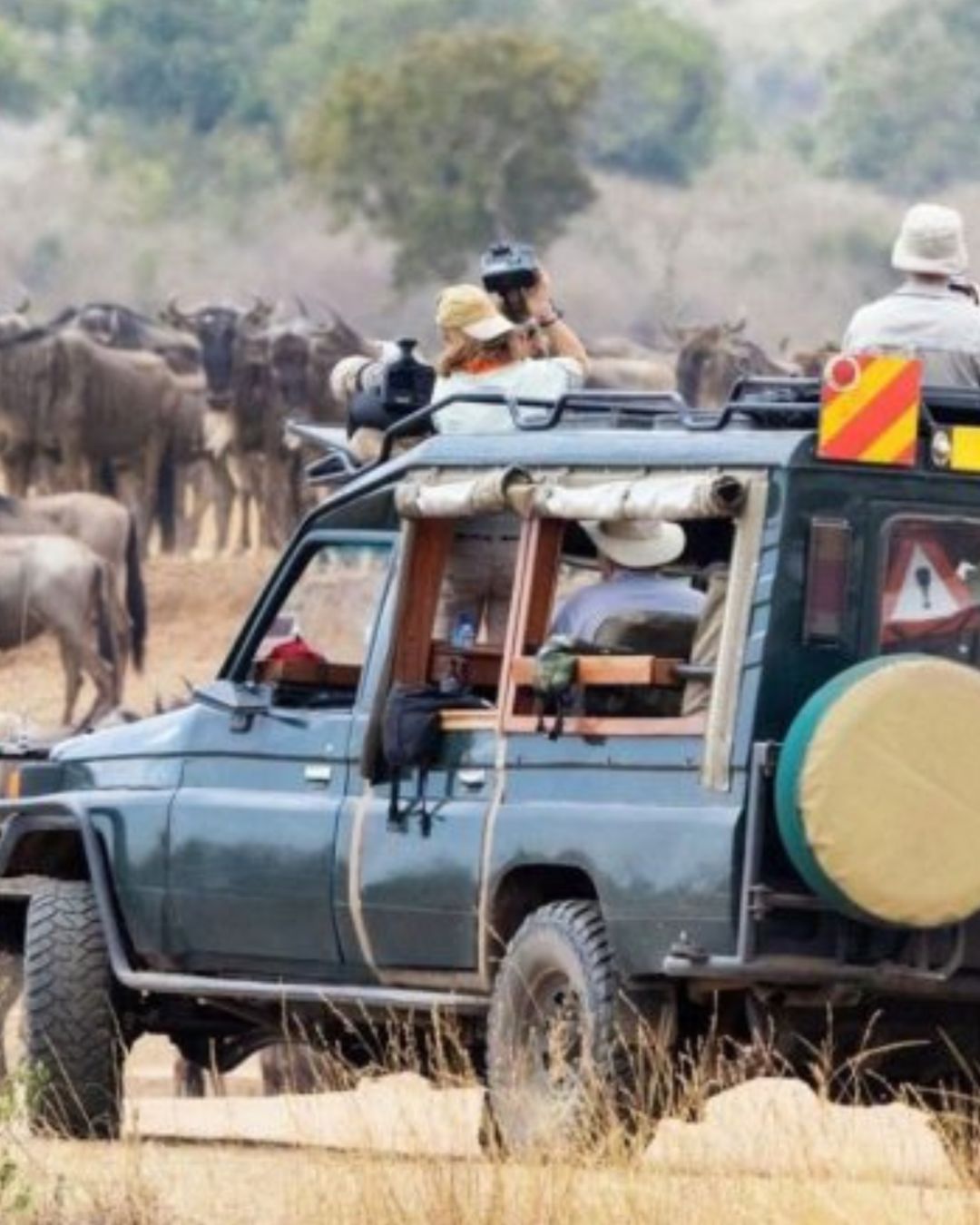
Yes the Migration happens every year without fail. Every year, millions of wildebeest, zebras, and gazelles thunder across the Mara River during one of the world's most spectacular natural events. By 2026, conservation projects continue ensuring safe migration corridors, giving you the chance to witness dramatic predator-prey action up close in Maasai Mara.Plan to be in the Mara between July and October for river crossing action.
Will I see the Big Five in Kenya?
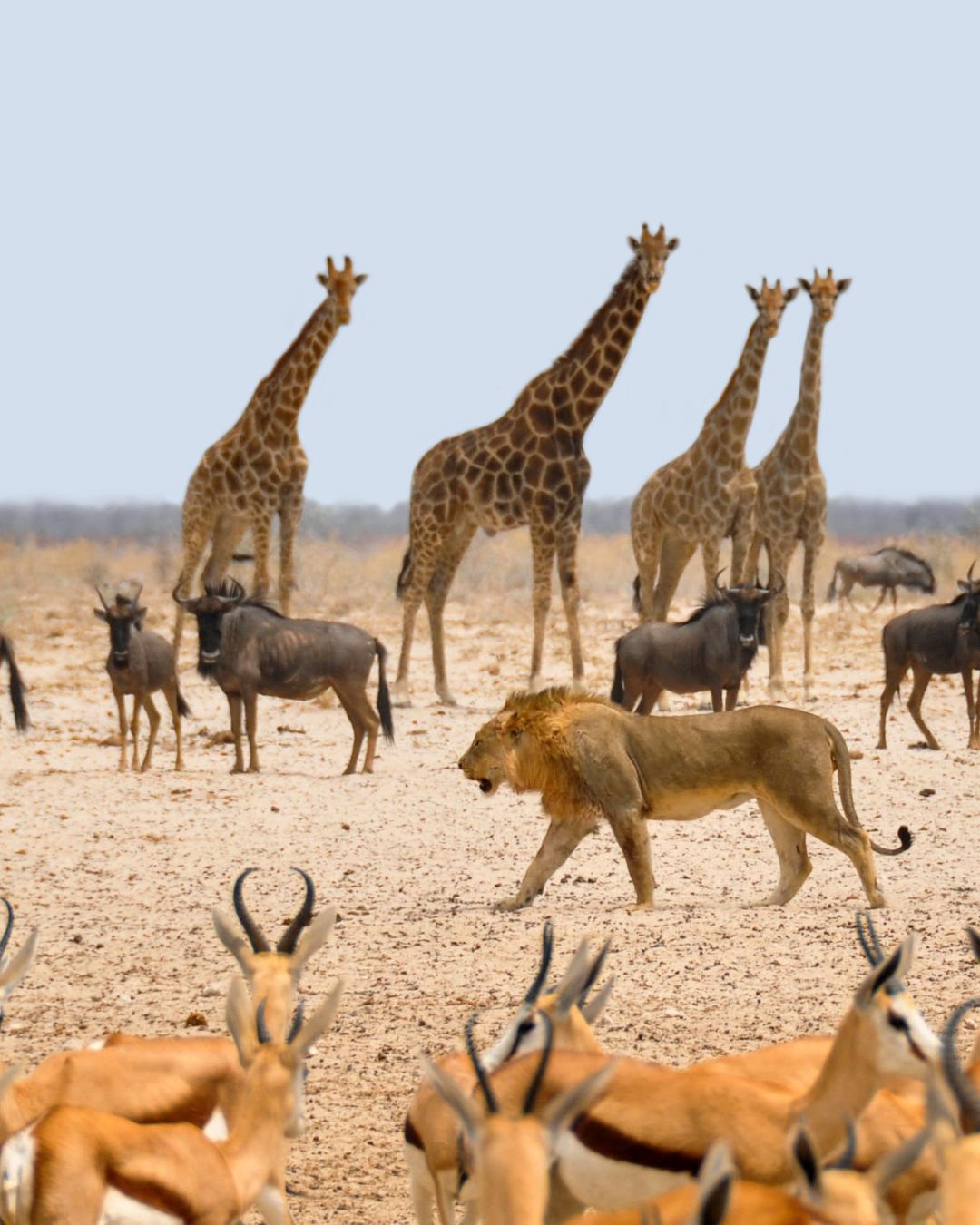
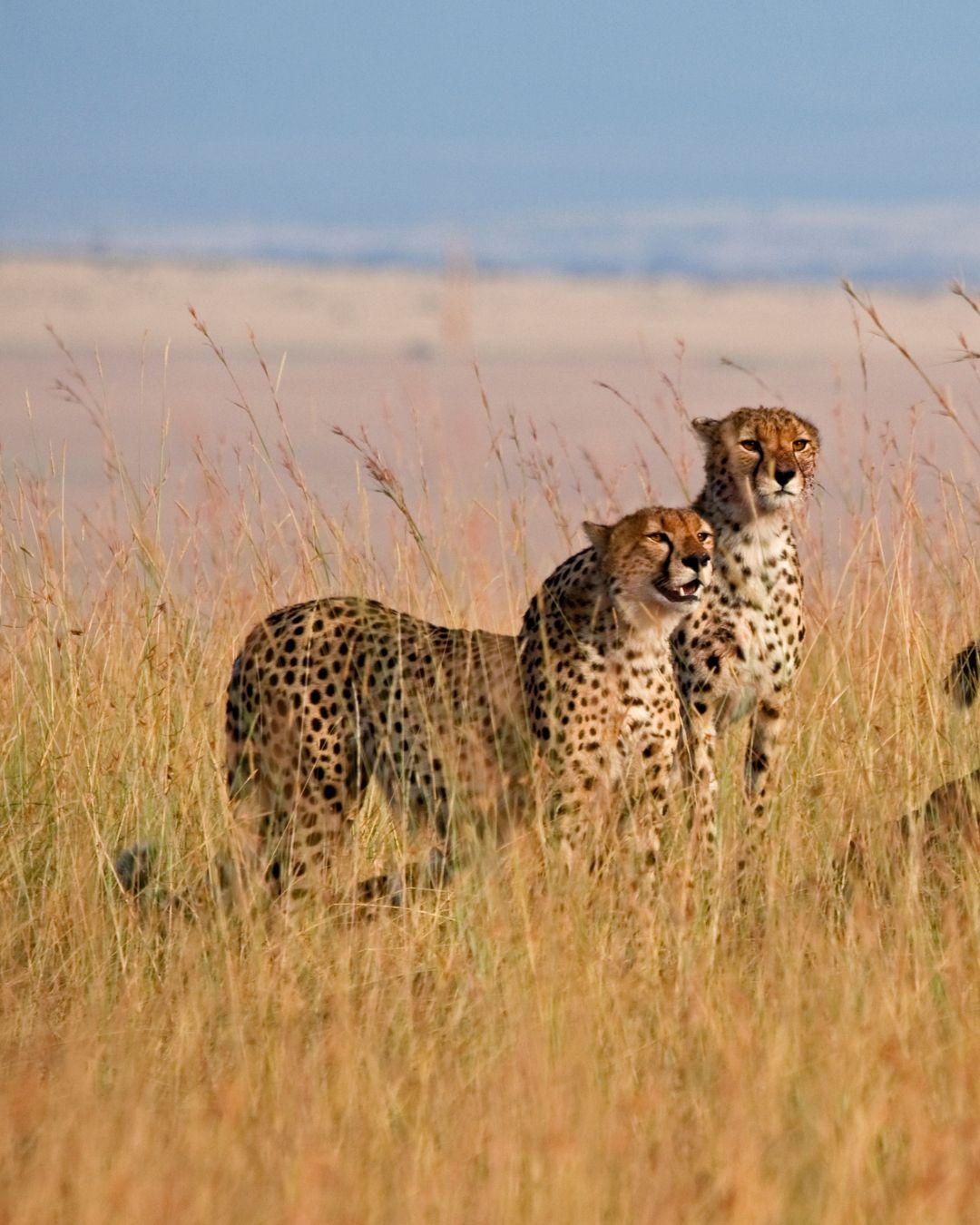
Kenya offers excellent Big Five sightings lion, leopard, elephant, buffalo, and rhinoceros. The Maasai Mara is unmatched for lion and leopard, while Amboseli is famous for large elephant herds framed by Kilimanjaro. Rhino sightings require a visit to conservancies like Ol Pejeta or Lewa, which have successful breeding populations of both black and white rhino. Tsavo East and West are strongholds for elephant and buffalo. A well-designed itinerary across 2–3 parks gives you a very high probability of seeing all five species.
Which Kenya reserve is best for first-time safari visitors in 2026?
The Maasai Mara is the single best introduction to Kenya safari for most first-timers. The combination of open savanna, exceptional predator density, excellent guide quality, and the scale of the landscape is simply unrivalled. For those who want to add contrast, pairing the Mara with Amboseli (elephant paradise + Kilimanjaro views) covers Kenya's two most iconic experiences in one itinerary. Families with younger children often find Amboseli slightly more relaxed and equally rewarding.
Are night game drives available in Kenya, and what do you see?
Night game drives are permitted in private conservancies bordering the national reserves (such as Olare Motorogi, Naboisho, and Ol Kinyei in the Mara ecosystem), but not within national parks. They dramatically expand your wildlife experience aardvarks, porcupines, civets, genets, honey badgers, and hunting leopard are creatures rarely seen by day. Many of Kenya's best predator sightings including lion kills happen at night. At Hilu Tours, we specifically select camps with night-drive concession rights for clients who want the fullest wildlife experience.
What is birding like in Kenya is it worth dedicated time?
Kenya is one of the world's top birding destinations with over 1,100 recorded species more than double the entire European continent. Lake Nakuru and Lake Bogoria host flamingos in the hundreds of thousands. The Kakamega Forest holds rare West African species. The Rift Valley lakes teem with pelicans, storks, and eagles. Even on a standard safari, you'll encounter lilac-breasted rollers, secretary birds, and superb starlings. For dedicated birders, we offer specialist itineraries with ornithologist guides that represent extraordinary value.
What wildlife experiences beyond game drives does Kenya offer in 2026?
Kenya has diversified enormously. You can hike Mount Kenya, go camel trekking in Samburu, enjoy hot air balloon rides over the Maasai Mara, or cycle through Hell's Gate National Park.Around Lake Naivasha, Ride Kenya has mapped 150 miles of routes following historic wildlife corridors, allowing cyclists to track elephant paths and understand migration patterns.
PRACTICALITIES & ENTRY
Do I need a visa to visit Kenya in 2026?
As of 2026, the old eVisa system has been fully replaced by the Electronic Travel Authorization (eTA). Apply at least 2–4 weeks before travel via the official government portal. You can apply online at www.etakenya.go.ke.Processing typically takes a few days but can take longer during busy periods.
What vaccinations do I need for a Kenya safari?
Routine vaccines should be up to date, including MMR, diphtheria-tetanus-pertussis, varicella, polio, and your yearly flu shot. Most doctors also recommend Hepatitis A and Typhoid vaccinations.A yellow fever vaccination is required upon entry if you're travelling from certain countries in Africa and Latin America. Antimalarials are also highly recommended.See your doctor 4–6 weeks before departure.
Is Kenya safe for tourists in 2026?
The majority of Kenya is safe to travel; however, you should avoid border areas with Somalia. In big cities, take a taxi at night and remain mindful of petty crime.Inside national parks and conservancies, your licensed guide is your greatest safety asset always follow their instructions. Most lodges are fenced or guarded, allowing guests to sleep soundly even with lions nearby.
Should I drive or fly between parks?
It depends on your budget and schedule. The drive from Nairobi to the Mara takes 5–6 hours and is scenic but tiring. A 45-minute hop from Wilson Airport saves you two days of travel time and offers incredible aerial views of the Rift Valley.Fly-in safaris are increasingly popular in 2026 and are well worth considering if time is short.
What should I pack for a Kenya safari?
Pack lightweight, neutral-coloured clothes in tan, khaki, or olive they blend into nature and keep you cool. Add long-sleeved shirts and trousers to protect against insects, a warm fleece for early morning game drives, a hat, sunscreen, sunglasses, binoculars, and a camera.Most lodges offer laundry services, so pack light. Kenya uses Type G plugs (same as the UK), so bring a universal adapter.
What currency and payment methods are used in Kenya?
Kenya's official currency is the Kenyan Shilling (KES). ATMs are available in all major towns and airports, and credit and debit cards are widely accepted in hotels and lodges. For small shops and markets, cash is still king. Mobile money via M-PESA is huge in Kenya you can use it for tipping, souvenirs, and quick transfers. Carry a mix of card, cash, and M-PESA to stay flexible.
Sustainable & Responsible Travel
How does Hilu Tours support sustainable tourism and conservation?
Sustainability is embedded in everything we do not as a marketing claim but as a practical commitment. We exclusively partner with camps and lodges that have verifiable sustainability credentials, including those that direct a portion of revenues to local community development, wildlife conservancy fees, and anti-poaching operations. Our guides are locally trained and community-based, ensuring that tourism income circulates within the regions we operate. At the coast, we work with Watamu's marine conservation organisations for turtle monitoring programmes that guests can participate in. We also maintain a strict single-use plastic policy across all our operations.
What is community-based tourism and can I experience it in Kenya?
Community-based tourism (CBT) places local Maasai, Samburu, Kikuyu, and coastal Swahili communities at the centre of the tourism experience as owners, guides, and beneficiaries rather than spectators. We integrate CBT throughout our itineraries: Maasai village visits led by community members who explain their traditions on their own terms, community conservancy game drives where ranger fees fund schools and clinics, and Swahili cooking experiences on the coast. These are among the most meaningful experiences our clients report a genuine human connection that wildlife photography alone cannot provide.
How do I start planning my Kenya safari with Hilu Tours?
Planning with us begins with a conversation not a form. Reach out via our website, WhatsApp, or email and tell us your travel dates, group size, interests, and any non-negotiables (wildlife you most want to see, budget range, level of comfort). Within 48 hours, one of our safari consultants who has personally visited every property we recommend will send a tailored first-draft itinerary with detailed costing. We refine this collaboratively until it's exactly right. There is no charge for consultation or planning, and we're transparent about our pricing from the first conversation. Our goal is for you to arrive in Kenya feeling completely prepared and leave wondering why you waited so long.